Ward 2 Road Safety in East Gwillimbury Listening to Residents and Finding Solutions
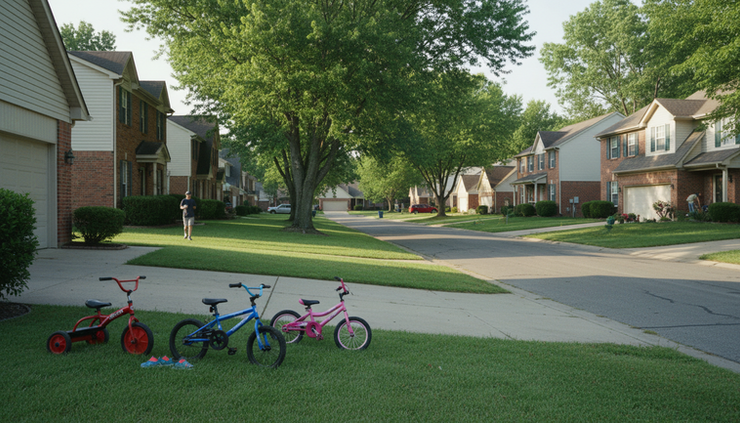
A neighbourhood feels different when people can walk, bike, push a stroller, or let children play outside without worrying about the next car coming around the corner too quickly.
That simple feeling of safety has come up again and again as I continue meeting with residents across Ward 2. The conversations have been thoughtful, honest, and deeply rooted in care for the community. People are proud to live here. They talk about friendly streets, good neighbours, families putting down roots, and the sense of belonging that makes East Gwillimbury feel like home.
At the same time, residents are raising real concerns about road safety. The issues are familiar to many households: speeding on residential streets, rolling stops or missed stops at stop signs, and the feeling that some smaller inside roads are being treated like shortcuts instead of neighbourhood streets.
These concerns deserve to be heard clearly. They are not complaints for the sake of complaining. They are about protecting families, respecting shared spaces, and preserving the quality of life that makes Ward 2 special.
Residents are proud of where they live
One of the strongest messages I hear at the door and in casual conversations is how much people value this community. Ward 2 residents often speak with real warmth about their neighbourhoods. They appreciate seeing familiar faces on walks, knowing their children have nearby friends, and living in a place that still feels connected.
That pride matters. It shapes the way people talk about issues like road safety. Most residents are not asking for dramatic change. They are asking for practical steps that help keep local streets calm, predictable, and safe.
That includes streets where:
Children can walk to a friend’s house without fear.
Families can cross at intersections with confidence.
Cyclists can share the road without feeling squeezed or rushed.
Drivers understand that local roads are shared spaces.
Seniors and people with mobility needs can move around safely.
These are reasonable expectations. They reflect the everyday life of a growing community.
Growth brings more traffic, more parked cars, more delivery vehicles, and more people moving through the same road network. That does not mean neighbourhoods should lose their character. It means road safety needs ongoing attention, especially in areas where families, pedestrians, and cyclists are present every day.
Speeding on residential streets keeps coming up
The most common concern I hear is speeding in residential neighbourhoods. Residents describe vehicles moving too quickly on smaller inside roads, where sightlines can be limited and children may be playing nearby. Some streets may not look busy on paper, but for the people who live there, the risk feels very real.
A car travelling too fast changes the feel of an entire street. It makes parents more cautious. It discourages walking and cycling. It creates stress for people backing out of driveways or crossing at corners. It can also make residents feel that their concerns are invisible because the danger may come in short bursts rather than constant traffic.
Speeding is not only a problem on main roads. In many neighbourhoods, the inside streets matter just as much. These are the roads people use to get to parks, mailboxes, trails, bus stops, schools, and neighbours’ homes.
Residential roads are not just routes from one place to another. They are part of the neighbourhood itself.
That is why the conversation needs to focus on behaviour, design, education, and enforcement together. No single tool solves every traffic concern. A sign alone may not change habits. Enforcement alone may not address a street design that encourages higher speeds. A road change may help in one location but be unnecessary somewhere else.
The starting point is listening carefully to where residents see the problems, when they happen, and what patterns they notice.
Stop sign safety is about trust at every corner
Another concern raised often is drivers failing to stop properly at stop signs. Some residents describe rolling stops. Others talk about drivers moving through intersections as if the stop sign is optional, especially when traffic appears light.
This may seem like a small behaviour to the driver in the moment. For a pedestrian, cyclist, parent, or child, it can feel very different.
Stop signs create trust. They tell everyone at an intersection what to expect. When drivers ignore them or only slow down briefly, that trust breaks down. People crossing the street may hesitate. Cyclists may feel exposed. Parents may become less willing to let children walk independently.
Stop sign safety also matters because many residential intersections are used by people who are more vulnerable on the road. A person walking a dog, a child riding a bike, or someone using a mobility device cannot react the same way a driver can inside a vehicle.
A safer neighbourhood depends on predictable behaviour. Full stops, patient turns, and careful scanning at intersections are simple habits, but they make a major difference in how safe a street feels.

Road safety is a quality of life issue
When residents talk about road safety, they are often talking about something larger than traffic. They are talking about daily life.
They want to feel comfortable walking after dinner. They want children to be able to play outside. They want drivers to slow down near parks, trail crossings, and intersections. They want streets that match the values of the people who live on them.
That is why East Gwillimbury road safety is not only about traffic flow. It is about community well-being.
A street that feels unsafe can change routines. Families may drive short distances instead of walking. Children may spend less time outside. Neighbours may interact less because the street no longer feels like a comfortable shared space. Over time, those small changes affect the character of a neighbourhood.
The opposite is also true. When streets feel safer, people use them more. They walk, wave, talk, bike, and spend time outside. Safe streets help build stronger neighbourhoods because they make everyday connection easier.
This is one reason I value these conversations so much. Residents know their streets. They know which corners feel risky. They know when traffic speeds up. They know where drivers roll through stop signs. They know which areas need attention because they experience them every day.
Listening comes before solutions
Good decisions start with good listening. That means hearing from people on different streets, at different times, and with different experiences.
A parent walking to a park may notice one issue. A cyclist may notice another. A senior crossing at an intersection may see a risk that a driver overlooks. A resident who works from home may observe traffic patterns during the day, while commuters may see problems during the morning or evening rush.
Each perspective matters because road safety is shared.
Listening also helps avoid one-size-fits-all answers. A concern on a wide road may need a different response than a concern on a narrow local street. A speeding issue near a park may call for a different approach than repeated rolling stops at a quiet intersection. Some locations may need better signs or pavement markings. Others may need review for traffic calming. Some may benefit from education and reminders. Others may require enforcement attention.
The key is to match the response to the actual problem.
That process starts with details, such as:
Where the concern is happening.
What time of day it is most noticeable.
Whether the issue involves speeding, stop signs, visibility, parking, or traffic volume.
Whether pedestrians, cyclists, children, or seniors are often present.
Whether the concern is occasional or ongoing.
These details help turn a general concern into a clearer request for action.
Practical solutions should fit the street
Residents are not asking for complicated answers. Most people I speak with want practical, sensible steps that make streets safer without changing the character of the neighbourhood.
Possible approaches can include a mix of education, design, and enforcement. The right choice depends on the location and the nature of the concern.
Some examples include:
Traffic calming reviews
Where speeding is a repeated concern, a street may need to be reviewed for traffic calming options. These can vary depending on the road, traffic volume, emergency access, and local conditions.
Clearer signage and pavement markings
In some areas, signs or road markings may need to be more noticeable. This can help remind drivers that they are entering a residential area where lower speeds and extra caution are expected.
Speed awareness tools
Temporary speed display signs can help remind drivers how fast they are travelling. They can also help identify patterns in driver behaviour.
Focused enforcement
Where dangerous behaviour is repeated, enforcement can play a role. This is especially true when drivers ignore stop signs or speed through areas with pedestrians and cyclists.
Neighbourhood education
Sometimes the people creating risk are not strangers cutting through. They may be residents, visitors, delivery drivers, or people travelling to nearby destinations. Clear community reminders can help reinforce expectations.

Preserving neighbourhood character matters
One point comes through clearly in these conversations: residents want safer streets, but they also want to preserve what makes their neighbourhoods feel welcoming.
That balance matters. Road safety improvements should not make a street feel harsh or overbuilt. They should support the way people already use the area. They should respect local context and focus on real safety concerns.
For Ward 2, that means solutions should be practical, measured, and shaped by the people who live here. A quieter residential road should not feel like a highway. A street near a park should reflect the presence of children and families. An intersection used by pedestrians should be treated as more than a place for cars to pass through.
The goal is not to make neighbourhood streets difficult to use. The goal is to make them safer and more respectful for everyone.
Drivers still need to get where they are going. Emergency services, snow clearing, waste collection, school buses, deliveries, and daily travel all matter. But those needs can be considered alongside the safety of pedestrians, cyclists, children, and residents.
A thoughtful approach does both.
Community voices help identify what maps cannot show
A map can show a road. It can show intersections, speed limits, and nearby parks. What it cannot show is how a street feels at 5 p.m. when families are outside, or what happens when drivers cut through to avoid a busier route.
Residents fill in those gaps.
They know when a stop sign is often missed. They know where speeding feels worse because of a curve, hill, parked cars, or narrow sightline. They know whether weekend traffic feels different from weekday traffic. They know if a new pattern has appeared over time.
That local knowledge is valuable. It should guide the conversation.
This is why I want to continue hearing from Ward 2 residents directly. Every concern helps build a fuller picture. Every suggestion adds to the discussion. Even when a solution is not immediate, the information matters because it helps identify priorities and patterns.
A safer community is built through steady attention, not one conversation or one decision.
Shared responsibility starts with daily choices
While local concerns should be reviewed and addressed, road safety also depends on everyday choices made by each driver.
Most safety improvements begin with simple actions:
Drive at a speed that fits the street, not just the posted limit.
Come to a full stop at stop signs.
Watch carefully for children, cyclists, pedestrians, and people using mobility devices.
Slow down near parks, schools, trails, and intersections.
Avoid using residential roads as shortcuts when it creates risk for local families.
Be patient with neighbours walking, biking, parking, or backing out of driveways.
These choices may feel small, but they shape the safety of the whole neighbourhood. A few seconds of patience can prevent a dangerous moment.
Road safety is strongest when residents, drivers, the Town, and community partners all do their part. Concerns need to be heard. Streets need to be reviewed thoughtfully. Behaviour needs to change where it creates risk.
The conversations will continue
The conversations across Ward 2 have confirmed something important. People care deeply about this community. They want it to remain safe, welcoming, and family-friendly. They are proud of where they live, and they want to protect that feeling for the future.
Road safety will continue to be an important part of that work. Speeding on residential streets, stop sign safety, and neighbourhood traffic concerns are not minor issues for the people who experience them every day. They affect comfort, confidence, and quality of life.
I am committed to continuing to listen, gathering feedback, and working with residents to identify practical steps that can help improve safety. The best solutions will come from open conversations and a clear understanding of what is happening on the ground.

If you live in Ward 2 and have thoughts, concerns, or ideas about road safety, I would be glad to hear them. The more voices included in the conversation, the better the path forward will be.
Together, we can support safer streets, stronger neighbourhoods, and a community where every resident feels heard.
Comments